maxor…Playing since 2025
Deposited €250 and withdrew €3740. KYC took about 15 minutes; the transfer from Bibkins-rabbit reached my bank 58 minutes later.
 Bibkins-rabbit
Visa has introduced the Visa Stablecoin Platform as a select-client beta, giving participating institutions one managed environment for wallet operations, stablecoin movement and policy controls. The first supported asset is Open USD. That starting point matters: this is an enterprise test with selected clients, not a general consumer release or a claim that every stablecoin and network is already available. Availability will be shaped by the program, the participant and the relevant jurisdiction.
The platform is designed for financial institutions, fintechs and payment providers that want to explore stablecoin workflows without assembling every operational component separately. Participants can onboard to a Visa-managed wallet stack or connect existing wallets, then manage minting, redemption, holding and transfers within the supported beta paths. Connectivity begins with Open USD and is framed around treasury, settlement, liquidity and product workflows rather than a new retail wallet for the public.
Visa is also packaging controls around those actions. Clients can connect bank accounts, configure users and policies, and decide who may initiate or approve a movement. The announced environment includes dual-control approvals for sensitive workflows, audit logging, secure passkeys and allow lists. These features address the operational questions that often sit behind an onchain transaction: who requested it, who authorized it, where it may go and what record remains afterward.
The name of the platform does not mean Visa is issuing a Visa stablecoin. Open USD comes from its own issuer and is the asset initially supported through the platform; participating institutions retain their compliance, custody and product responsibilities. Visa provides the managed environment, wallet capabilities and links into relevant network tools, while the legal and economic characteristics of an underlying asset continue to depend on that asset and its issuer.
The beta qualification is equally important. Access is initially limited to select clients, and usable assets, networks, jurisdictions and routes remain bounded by the program. A workflow that is available to one participant in testing should not be described as universally available to businesses or consumers. Institutions still need to assess local regulation, custody arrangements, operational resilience and the fit between a supported path and the payment or treasury use case they intend to build.
The immediate value of the program is a controlled place to test how stablecoin activity fits with existing approval, treasury and settlement processes. Participating clients can learn where wallet operations integrate cleanly and where policies, reconciliation or product design need more work. They can also compare a connected existing wallet with the managed stack without treating either route as a universal answer. Visa says those lessons will inform how and where the platform may scale beyond the initial beta. Until then, the accurate status remains specific: selected clients, Open USD first, Visa-managed wallet and control workflows, and broader availability to be shaped by testing rather than assumed in advance, without treating a beta path as settled market infrastructure.
 HOTPaymentsVisa tokens sharpen card depositsNetwork tokens bring cleaner approvals and fewer exposed card credentials.3 min read11870 readsRead more
 NEWPaymentsUSDC withdrawals move around the clockA new settlement rail keeps verified USDC withdrawals moving day and night.3 min read10420 readsRead more
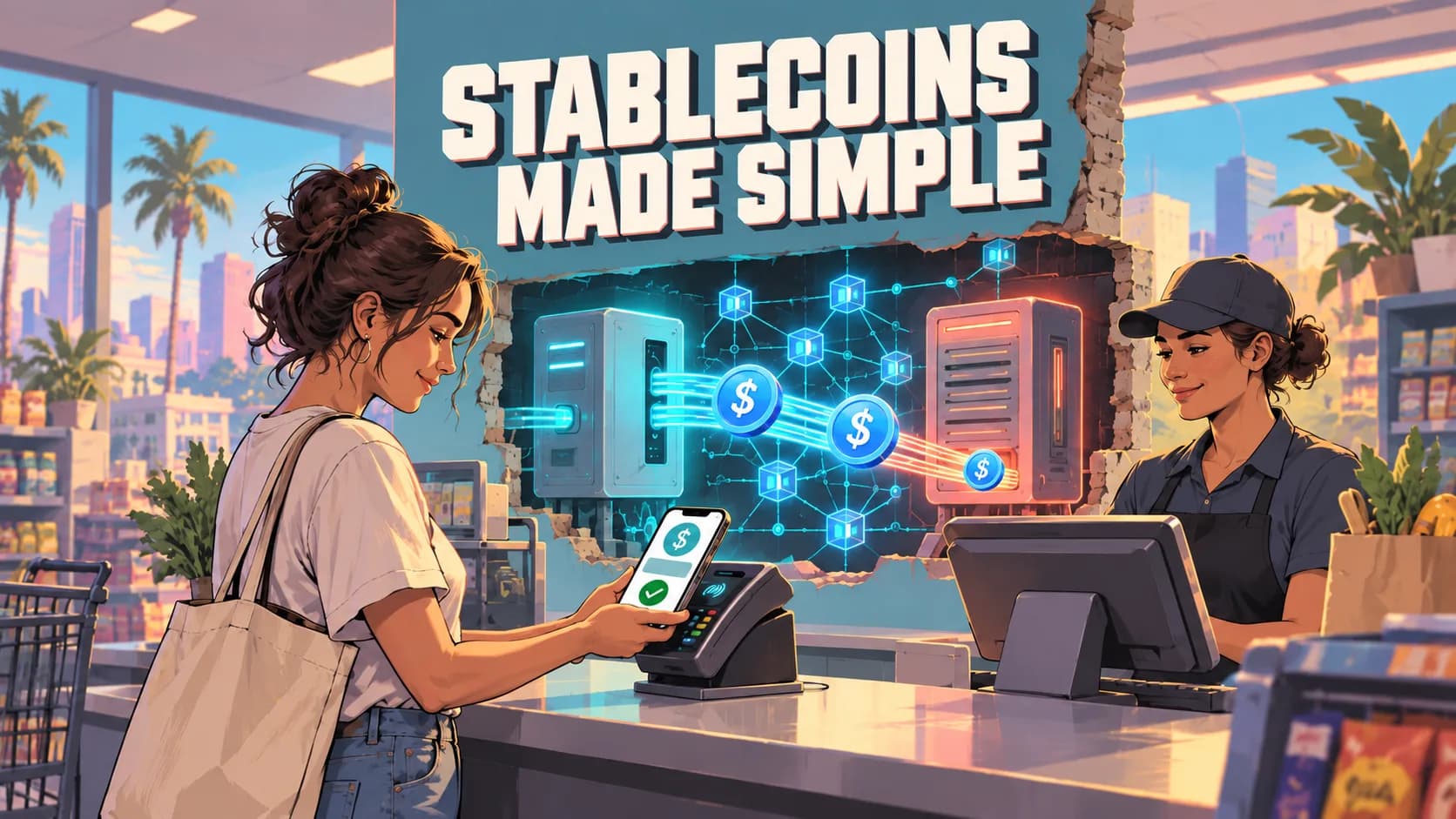 PaymentsRamp and Stripe hide the blockchainThe newest fintech stack makes stablecoin payments feel like ordinary cash.3 min read8610 readsRead more